
FAQ: Eye Exams in Bellevue, WA
At Washington Eyecare, we provide thorough eye exams for patients seeking clear answers about their vision and overall eye health. Regular eye exams in Washington, DC can identify vision changes, evaluate eye health, and help determine whether glasses, contact lenses, or additional care may be needed. Below are frequently asked questions on eye exams.
What happens during an eye exam in Washington, DC?
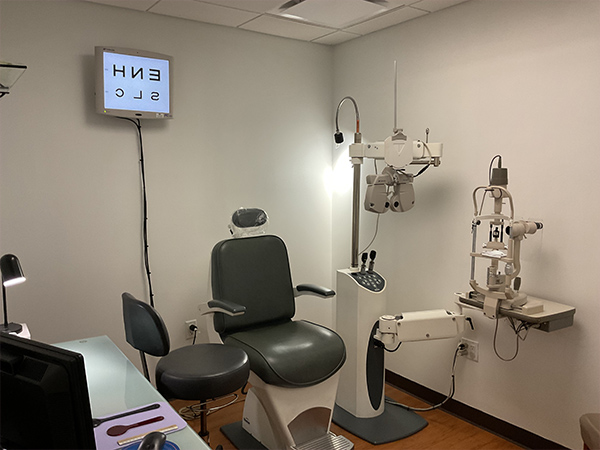
During an eye exam in Washington, DC, we evaluate your visual clarity, prescription needs, eye coordination, focusing ability, and overall eye health. We also examine the internal and external structures of your eyes to identify concerns that may not cause noticeable symptoms.
How often should I have an eye exam in Washington, DC?
Most patients benefit from annual eye exams in Washington, DC, even when their vision seems stable. The right schedule depends on your age, eye health, prescription, medical history, and risk factors. We can recommend an appropriate exam schedule based on your individual needs.
Why are routine eye exams important?
Routine eye exams allow us to evaluate much more than how clearly you can see. They can reveal changes in your prescription and signs of conditions such as glaucoma, cataracts, retinal problems, and other eye diseases before noticeable vision changes develop.
Do I need an eye exam if my vision seems fine?
Yes. Clear vision does not always mean your eyes are completely healthy. During an eye exam in Washington, DC, we assess both your vision and eye health, helping us identify subtle changes or conditions that may develop without early symptoms.
What is the difference between a vision screening and a comprehensive eye exam?
A vision screening usually checks basic visual acuity, while a comprehensive eye exam in Washington, DC provides a much more detailed assessment. We evaluate your prescription, eye focusing and coordination, peripheral vision, eye pressure, and the health of important structures such as the retina and optic nerve.
Can an eye exam detect eye diseases early?
Yes. Comprehensive eye exams can identify signs of several eye diseases before they begin affecting your daily vision. Early detection allows our eye doctor in Washington, DC to recommend monitoring, treatment, or additional testing when needed.
Should children have regular eye exams?
Yes. Children benefit from regular eye exams because clear, comfortable vision plays an important role in learning and development. We can evaluate visual acuity, focusing, eye teaming, eye movement, and other areas that may affect a child's performance at school and during everyday activities.
Do adults need eye exams every year?
Many adults benefit from routine eye exams in Washington, DC on a regular basis. Patients with changing prescriptions, diabetes, a family history of eye disease, contact lens use, or other risk factors may need more frequent evaluations based on our recommendations.
Will my prescription be checked during an eye exam?
Yes. During an eye exam in Washington, DC, we check your current vision and determine whether a new glasses or contact lens prescription may improve your clarity. We also consider how comfortably your eyes focus and work together throughout the day.
Will my eyes need to be dilated during an eye exam in Washington, DC?
Dilation may be recommended during an eye exam in Washington, DC when we need a more detailed view of the retina, optic nerve, and other internal eye structures. Whether dilation is necessary depends on your age, symptoms, health history, and the findings from your examination.
Can eye exams detect health problems outside the eyes?
An eye exam may reveal changes associated with certain systemic health conditions. The eyes provide a unique view of blood vessels and other structures, which means signs related to diabetes, high blood pressure, and other health concerns may sometimes be visible during an examination.
Should I schedule an eye exam if I have headaches or eye strain?
Yes. Frequent headaches, tired eyes, difficulty focusing, or discomfort during computer use are good reasons to schedule an eye exam. We can determine whether a vision problem, focusing issue, prescription change, or another eye-related concern may be contributing to your symptoms.
Can I have an eye exam in Washington, DC if I wear contact lenses?
Yes. Contact lens wearers should continue to have routine eye exams in Washington, DC. We evaluate your overall eye health and vision while also checking for changes that could affect how comfortably or safely you wear your lenses.
When should I schedule an eye exam for sudden vision changes?
Sudden blurry vision, new flashes or floaters, double vision, significant eye pain, or unexpected vision loss should be evaluated promptly. If you experience a sudden change, contact us so we can determine the appropriate next step rather than waiting for your next routine eye exam.
How can I prepare for an eye exam in Washington, DC?
Before your eye exam in Washington, DC, bring your current glasses or contact lenses and be prepared to discuss your medications, medical history, previous eye conditions, and any recent vision changes. Sharing this information helps us provide a more complete and accurate evaluation.
If you are ready to schedule an eye exam in Washington, DC, contact Washington Eyecare at (202) 783-5318. Our team is here to provide thorough, attentive eye care and help you better understand your vision and eye health.
Quick Links
Helpful Articles
All Eye Care Services
Find personalized eye care excellence with our comprehensive services. From eye exams to advanced diagnostics, trust us for all your vision needs.
Keep In Touch
For non-urgent questions or to learn more about our services, contact us today!
© 2026 Washington Eyecare. All rights Reserved - Accessibility Statement - Privacy Policy - Sitemap
Managed and Designed by 