Slowing Your Child’s Nearsightedness: A Parent’s Guide to Myopia Control Options in Washington D.C.
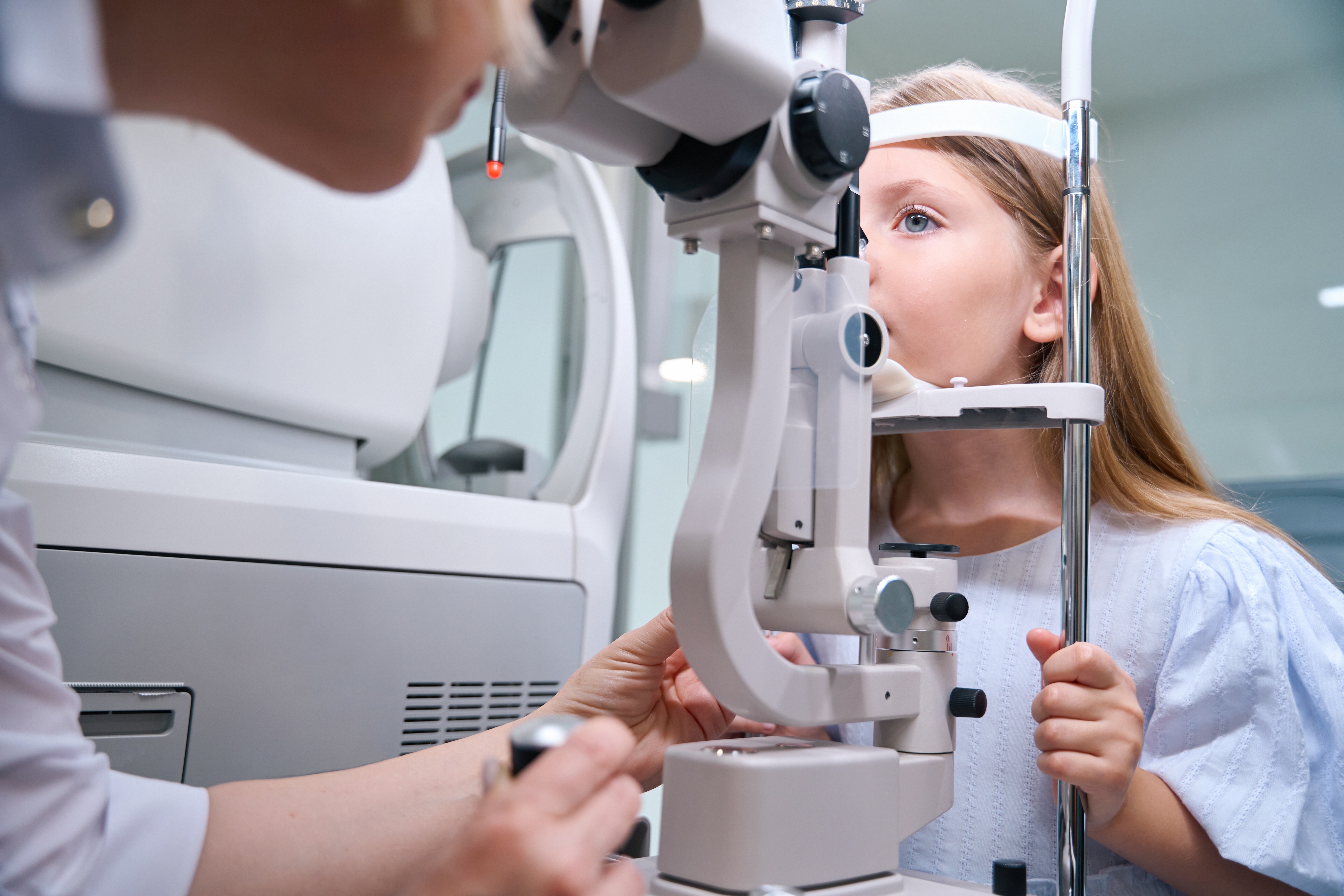
Nearsightedness, or myopia, is becoming increasingly common in children. While glasses can help your child see clearly, they do not necessarily address how quickly myopia progresses. At Washington Eyecare, we offer myopia control options in Washington D.C. designed to help slow the progression of nearsightedness and support your child's long-term vision.
Why Early Myopia Control Is Important for Your Child’s Vision
Myopia typically develops when the eye grows too long, causing distant objects to appear blurry. It often progresses as children grow, especially when it begins at a younger age.
Higher levels of myopia can increase the risk of certain eye health problems later in life. That is why identifying nearsightedness early and monitoring changes in your child's vision are important parts of pediatric eye care.
Parents may notice signs such as squinting, sitting close to screens, difficulty seeing the board at school, or frequently moving closer to see distant objects. Some children, however, may not realize their vision has changed.
Myopia Control Options for Children
There is no single myopia management approach that is right for every child. At our Washington D.C. office, we evaluate your child's prescription, age, eye health, lifestyle, and rate of myopia progression before recommending treatment.
Myopia control options we may consider include:
• MiSight 1 day contact lenses: Daily disposable soft contact lenses designed to correct vision while helping slow myopia progression in children.
• Orthokeratology, or Ortho-K: Customized lenses worn overnight that temporarily reshape the cornea, allowing many children to see clearly during the day without glasses or contacts.
• Low-dose atropine eye drops: Prescription drops typically used at night to help slow excessive eye growth associated with progressing myopia.
• Soft multifocal contact lenses: Special contact lenses that provide clear vision while creating an optical effect that may help reduce myopia progression.
• Essilor Stellest lenses: Specialized eyeglass lenses that correct vision while using lenslet technology designed to help slow myopia progression.
Choosing the Right Myopia Management Plan
The best option depends on your child's individual needs. A child who plays sports may appreciate the daytime freedom offered by Ortho-K, while another may prefer Stellest glasses or daily disposable MiSight lenses. Low-dose atropine may also be appropriate for certain children.
Regular follow-up visits are an important part of myopia control. These appointments allow us to monitor changes in prescription and eye growth and determine whether the treatment plan should be adjusted over time.
Supporting Healthy Vision Habits at Home
Treatment works alongside good everyday vision habits. Encouraging children to spend more time outdoors, take regular breaks from prolonged near work, and maintain appropriate working distances when reading or using digital devices can support overall visual health.
If your child is already nearsighted or you have noticed signs that their distance vision is changing, schedule a pediatric eye exam with Washington Eyecare to discuss myopia management options. Contact our office in Washington, DC, by calling (202) 783-5318 to book an appointment today.
Quick Links
Helpful Articles
All Eye Care Services
Find personalized eye care excellence with our comprehensive services. From eye exams to advanced diagnostics, trust us for all your vision needs.
Keep In Touch
For non-urgent questions or to learn more about our services, contact us today!
© 2026 Washington Eyecare. All rights Reserved - Accessibility Statement - Privacy Policy - Sitemap
Managed and Designed by 